 Skip to content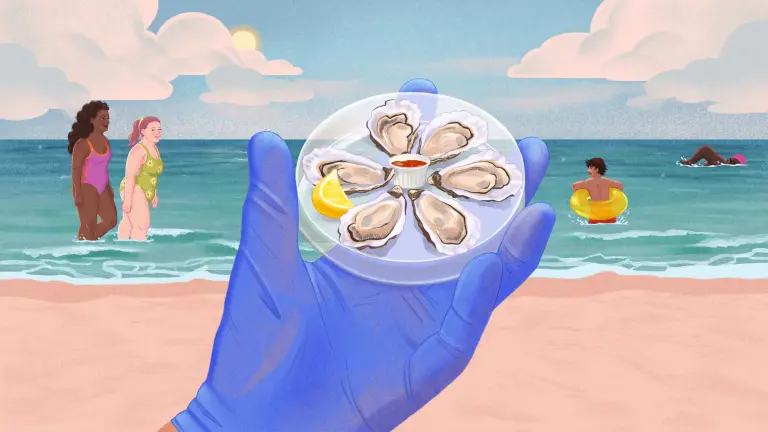
More in this series



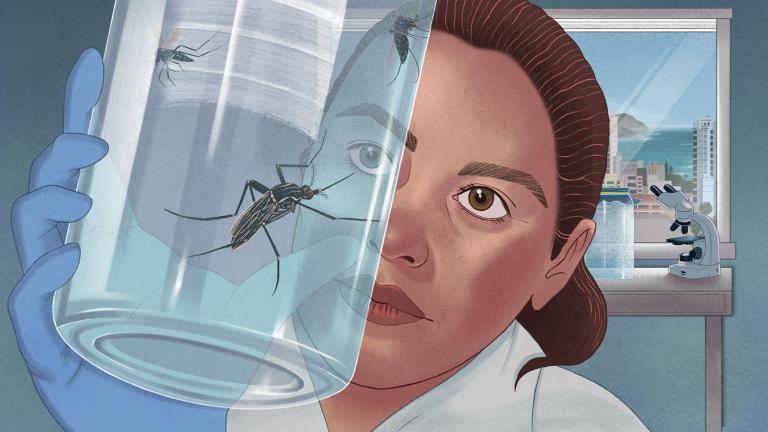
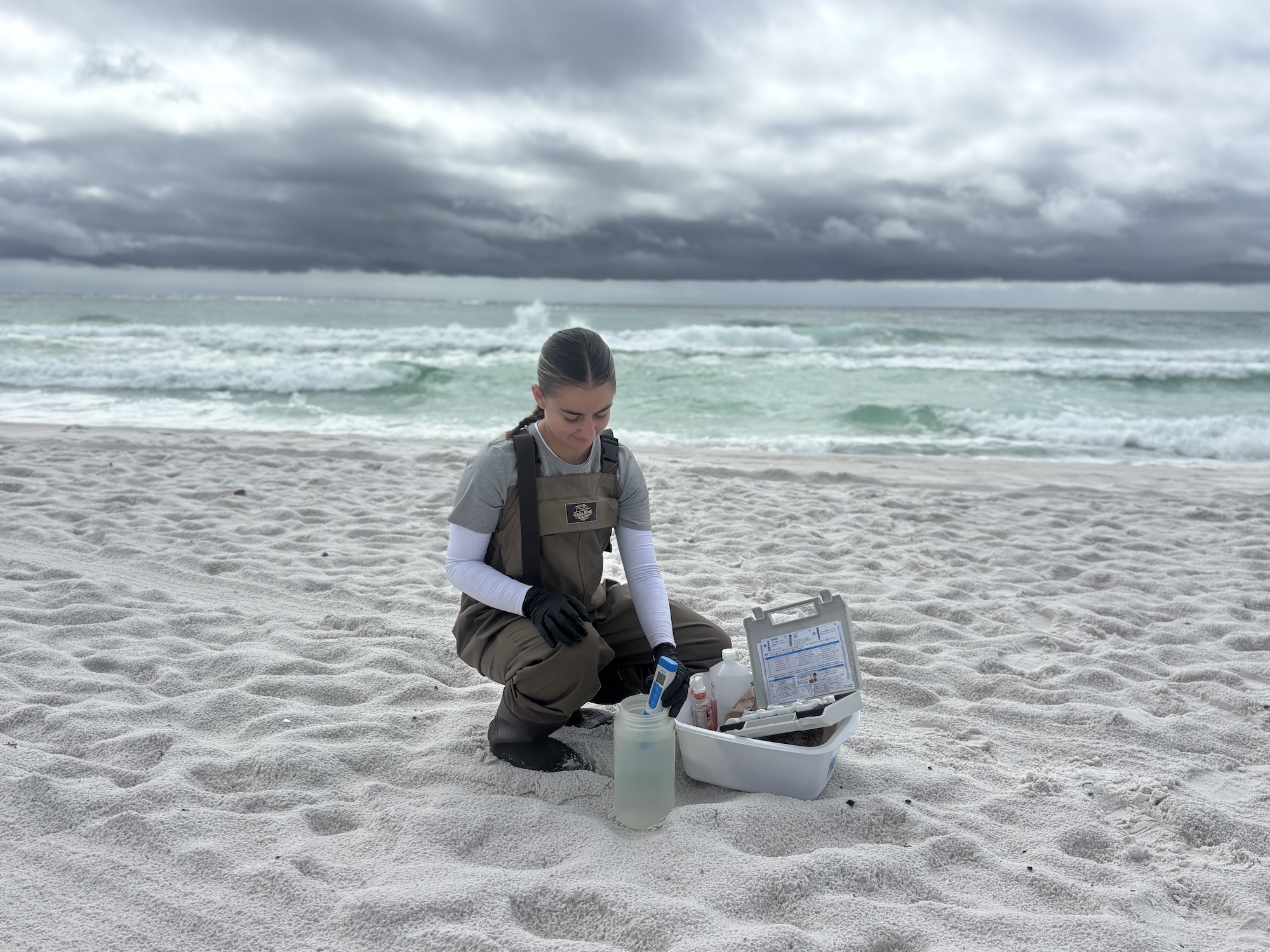
On their conspicuous expeditions to Pensacola and other Sunshine State beaches, Magers and Kumar are trying to understand where, and when, harmful Vibrio species are present across the state. The research they’re doing is part of an ongoing effort by a laboratory at the University of Florida to create a Vibrio early warning system for the eastern United States — a program that can alert public health departments to high Vibrio concentrations in any given area a month in advance.
How many limbs would be saved, Magers wonders, if doctors and nurses could be warned ahead of time that their emergency rooms would soon see an uptick in these chronically underdiagnosed infections?
The work serves more than one purpose: As Vibrio bacteria spread north into cooler waters, they serve as a first warning signal of changing marine conditions — giving researchers a heads-up that the familiar composition of marine species in their local waters may be starting to shift. In Europe’s Baltic Sea, for example, a spike in Vibrio infections in July 2014 closely mirrored a heatwave that rapidly warmed the shallow sea.
The incident showed researchers that Vibrio spikes herald unusually warm marine conditions — and they have since been utilized as barometers for ocean heatwaves and sea-surface warming patterns, not just food safety.
“We see Vibrio as the indicator for climate change,” said Kyle Brumfield, a microbiologist at the University of Maryland who has been studying the bacteria for a decade. “We can use the presence of Vibrio and Vibrio cases as a proxy for water health in general.”
The CDC estimates that about 80,000 cases of vibriosis occur in the U.S. every year, resulting in about 100 deaths. Of those 80,000 cases, most are caused by a Vibrio called parahaemolyticus, which most commonly results in gastroenteritis, or food poisoning. The vast majority of the deaths, however, are caused by a type of Vibrio called vulnificus — the Latin word for “wound-making.”
Vulnificus is so potent it can squeeze through a pinhole-sized cut in the skin and lead to death in just 24 hours. In the last five years, the CDC registered 429 such vulnificus cases, plus 136 foodborne cases. But even though foodborne cases are less numerous, the patients that contract vulnificus by eating contaminated shellfish are more likely to die than those infected via open wounds. Thirteen percent of those nonfoodborne cases died, compared to 32 percent of people who got the infection from eating seafood. Most cases occur in the Gulf and Atlantic coastal regions.
As far as infectious diseases go, vulnificus is exceedingly rare: The CDC reports between 150 and 200 cases a year. The sexually-transmitted disease chlamydia, by comparison, one of the most common bacterial infections in the U.S., infects northward of 1.5 million Americans annually. But vulnificus’ astonishing speed and high fatality rate — 15 to 50 percent, depending on the health of the person exposed and the route of infection — makes it a unique public health threat, particularly as climate change grows its pathways of exposure.
Vulnificus is not the kind of pathogen you’d want behaving erratically, but that’s exactly what it’s been doing since the late 2010s. Across the Eastern Seaboard, local and federal health officials have been reporting “unusual increases” in vulnificus prevalence — jagged spikes in infections that appear to correspond to extreme weather events like hurricanes and marine heatwaves.
In 2022 and 2024, years when the brackish water that Vibrio bacteria thrive in was pushed inland by major hurricanes, Florida’s public health department reported 17 and 19 deaths, respectively, linked to vulnificus exposure via open wounds. North Carolina, New York, and Connecticut also saw small clusters of infections during a record-breaking heatwave in the summer of 2023. “As coastal water temperatures increase,” the CDC warned in its investigation of those outbreaks, “V. vulnificus infections are expected to become more common.”
A 2023 study that analyzed a 30-year database of confirmed vulnificus infections from outdoor recreation along the U.S. Gulf and Atlantic coasts found the northern boundary of infections has moved north by a rate of 30 miles per year since 1998. The study noted that “V. vulnificus infections may expand their current range to encompass major population centers around New York,” and that annual case numbers may double as temperatures rise and America’s elderly population grows.
“In the 1980s, Vibrio abundance would increase in the late spring and stay high through the summer and drop in the middle of October,” Brumfield, who conducts research on Vibrio in Maryland, said. “Now … we can pretty much find them almost year-round.”
Just how worried we should be about the changing dynamics of Vibrio bacteria depends on who you ask and what you read. The gruesome and fast-acting nature of the vulnificus infection makes it enticing fodder for local and national news media, fueling a spree of terrifying reports every time a new severe infection or death surfaces.
“Virginia dad wades in calf-high water, dies 2 weeks later of flesh-eating bacteria that ‘ravaged’ his legs,” read a recent headline in People magazine. “2 dead after eating oysters, contracting flesh-eating bacteria, officials say,” per a 2025 web story about two deaths linked to oyster consumption in Louisiana and Florida. Like many others in their mold, neither story mentions how rare the bacteria are.
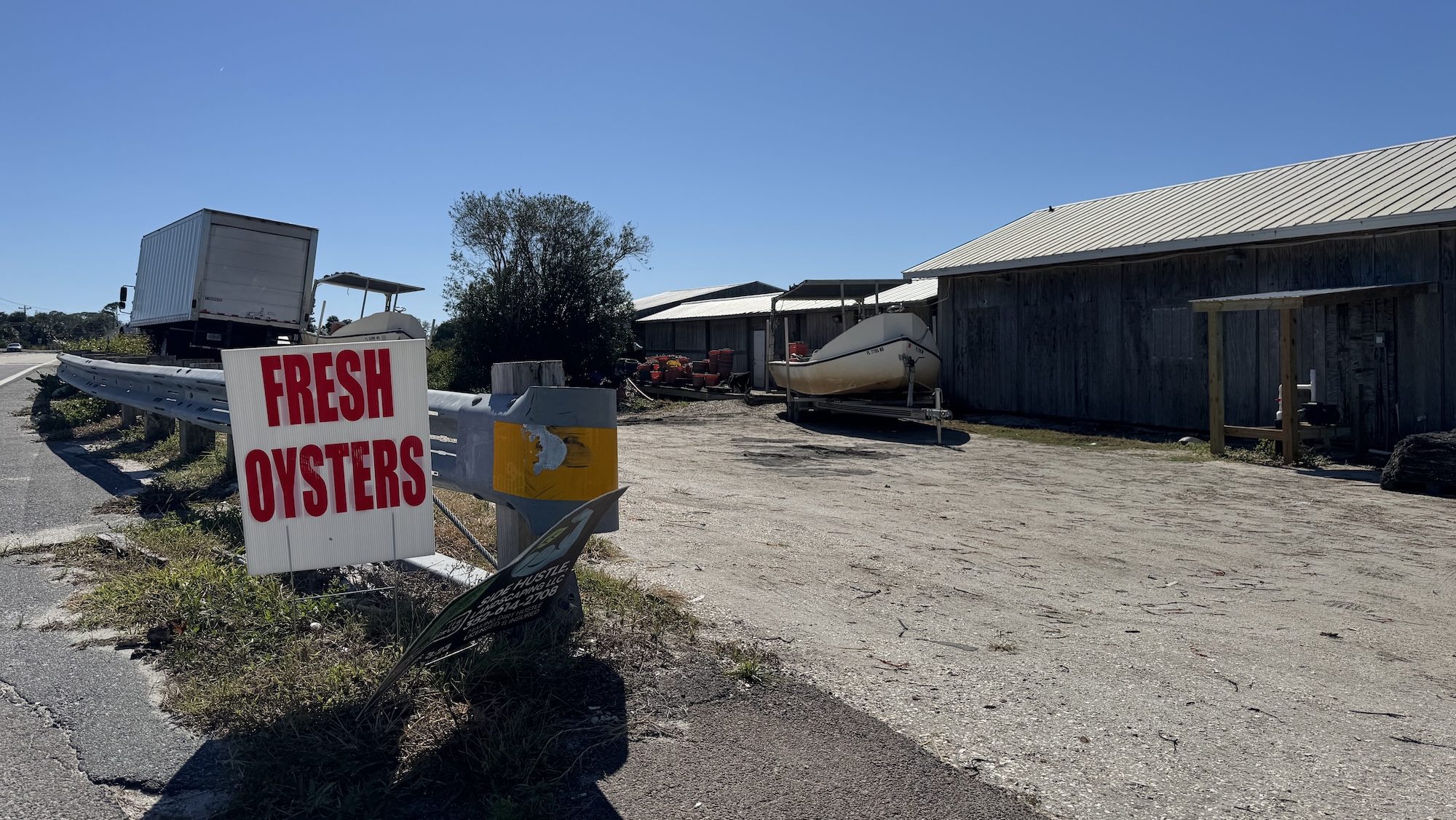
The press is bad news for some in the seafood industry, which does not welcome a national conversation about the rise in vibriosis cases, vulnificus in particular. Shellfish farmers and industry representatives that Grist spoke to in Florida and New York argued media attention on the safety of their products is unwarranted. “‘Flesh-eating bacteria,’” said Leslie Sturmer, a researcher who works for the University of Florida’s shellfish aquaculture extension program and consults with the shellfish industry on research and regulation — “the media loves it.”
Paul McCormick, an oyster farmer in Long Island who sells 750,000 oysters a year, thinks all press is bad press. “Even if the title of your article says ‘New York oysters are the safest oysters in the universe,’” he told me on the phone from his office in East Moriches in January, “you’ve already created a problem.”
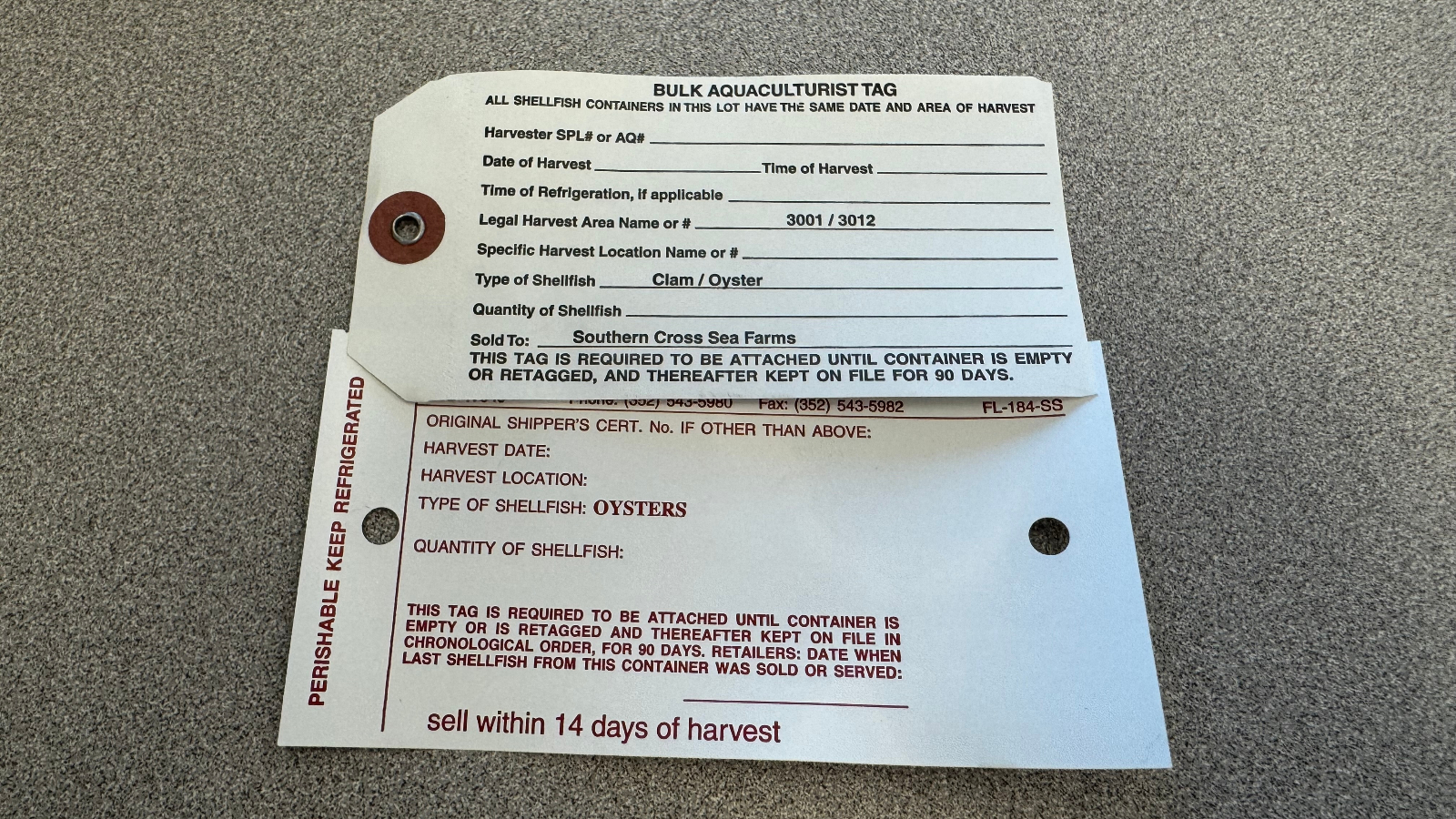
In unrefrigerated oysters left out in warm conditions, Vibrio bacteria reproduce every 20 minutes. But in 2010, states began deploying strict protocols known as “Vibrio control plans,” which require harvesters to rapidly cool their catch onboard and then refrigerate it at a shellfish processing facility within a set number of hours. The measures have proven effective at stopping the growth of Vibrio in harvested shellfish and preventing disease.
The fact that infections can happen in one of two ways — shellfish consumption and seawater exposure — makes it easy to shift blame and point fingers. Consumers have more control over how much exposure they have to Vibrio than they have with E. coli, for example. A person with a kidney condition can choose not to eat oysters on the half shell. E. Coli, often found in raw vegetables, is far tricker to avoid. Likewise, someone with an open wound can opt not to bathe in brackish waters if they are aware of the risks lurking in the surf.