 Skip to content
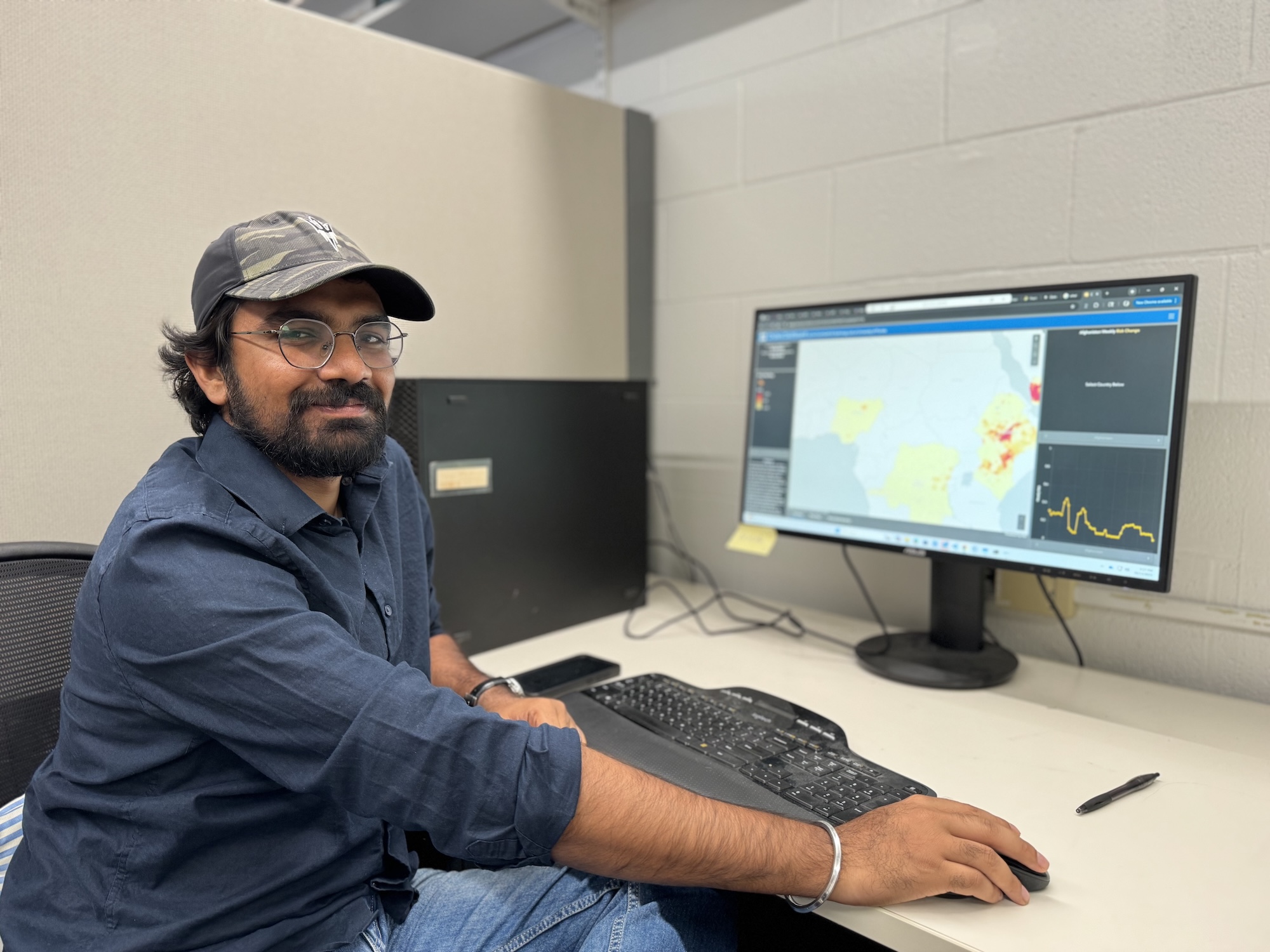
The system is far from perfect. When the model was first trained and evaluated, it was only 23 percent precise in pinpointing high-risk counties, meaning just one in four of the counties the program labeled as high-risk actually ended up seeing a vibriosis case in a given month. But it was very good at determining which counties were low-risk, capturing those regions with 99 percent precision. And it improved over time as the quality of the data they fed it got better. When they had the model do a test run on data collected by the Florida Department of Public Health from 2020 to 2024, 72 percent of total cases occurred in counties the tool flagged as high-risk for vibriosis.
Perhaps most significantly, the model was especially adept at predicting high-risk counties ahead of Hurricanes Helene and Milton in 2024 — more than 80 percent of the vibriosis cases that occurred in Florida in the aftermath of those hurricanes were reported in counties the model had already flagged as high-risk.
The tool is geared toward predicting water-borne infections, but it may also provide useful information to the shellfishing industry, though the system isn’t a replacement for the established protocols farmers already use — protocols that have proven to be effective, particularly in states that are aggressive about enforcing them. What the new tool could do, however, is supplement those Vibrio control plans, especially when an upcoming weather pattern deviates from the historical norm — something that has been happening a lot lately.
Robert Gauthier / Los Angeles Times via Getty Images
States currently use a rolling five-year average illness rate to calculate how many minutes or hours harvested shellfish can stay on a boat before moving into indoor refrigeration. In February, for example, Florida shellfishers have to get their oysters into refrigeration by 5 p.m. on the day of harvest. In July, they have no more than two hours, or they have to cool their catch in ice slurries on board. But these timetables don’t account for sudden temperature anomalies.
“It’s going to be 80 degrees this week in Alabama,” Andy DePaola, a Gulf Coast oyster farmer, told me in February. “Yet I can keep my oysters out for, like, 14 hours, because the rolling five-year average is 20 degrees less than that anomaly.” (DePaola is also a microbiologist who worked on Vibrio at the FDA for the better part of 40 years, and is the author of the 2019 analysis that diagnosed the “perfect storm” for Vibrio spread.)
But the shellfish industry doesn’t appear enthusiastic about the idea of assigning counties a risk category based on Vibrio prevalence. Vibrio researchers, by their own admission, haven’t done a good job of reaching out to shellfishers to find out how such a tool would work best for them. At an August meeting of the Delaware Bay Section of the New Jersey Shellfisheries Council last year, the director of a shellfish research laboratory brought up the idea of using Vibrio predictive models to “determine optimal days to harvest to reduce the transfer of infection to humans.” A lengthy discussion ensued. The consensus, ultimately, was that the model was a bad idea, and could be “used against the industry.”
Not all shellfishers are dead set against the kind of work Magers and Kumar are doing. “If Vibrio is an indicator of global warming, then that’s just an unfortunate bad luck scene for us,” McCormick, the Long Island oysterman, said. But it’s hard for him to see what relevance that research has to an industry that already has its own methods of controlling Vibrio. “In my mind that exists in one realm and the safety of our oysters is a whole different thing.”
As we move deeper into the 21st century, however, those two realms will have more overlap. If countries keep up their current pace of greenhouse gas emissions, most coastal communities along the East Coast will be environmentally primed for vibriosis outbreaks during peak summer months by midcentury. It won’t be a question of if there will be more vibriosis cases — it will be a matter of how to manage them. That’s the scenario Magers and Kumar are preparing for.
“In 30, 40, 100 years, these models won’t even matter because the risk is so high,” said Magers, the lead author of the predictive modeling study. “When it gets to that point, it would probably be a different kind of modeling strategy where we’d be modeling case numbers instead of infection risk.”