 Skip to content
A deadly bacteria is creeping up the Atlantic Coast. How worried should you be?
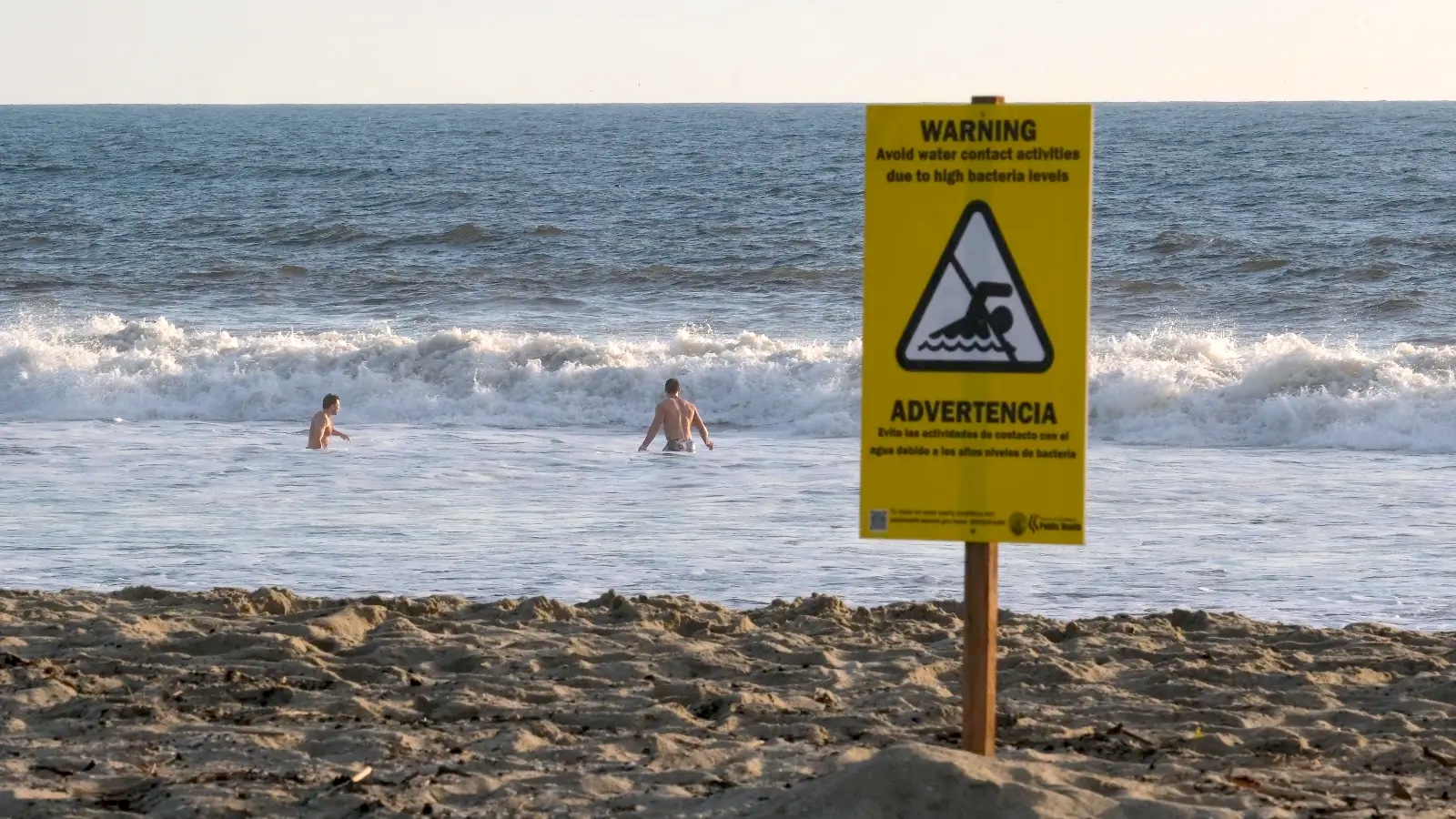
For shellfish industry representatives, personal responsibility is the primary way to bring caseloads down. “The person is the risk,” said Sturmer. “Not the climate, not the water, not the bacteria.” Implicitly, this appears to be the government’s position as well: There is currently no numerical threshold at which state public health agencies will “shut down” a beach for outdoor recreation, though states will issue public advisories and, very rarely, close beaches if they happen to find high levels of Vibrio in the water.
But that perspective doesn’t account for the rapid marine changes brought on by climate change, the patchiness of vibriosis awareness, and the fact that Americans often make personal decisions that are at odds with their own health and safety.
Chris Delmas / AFP / Getty Images
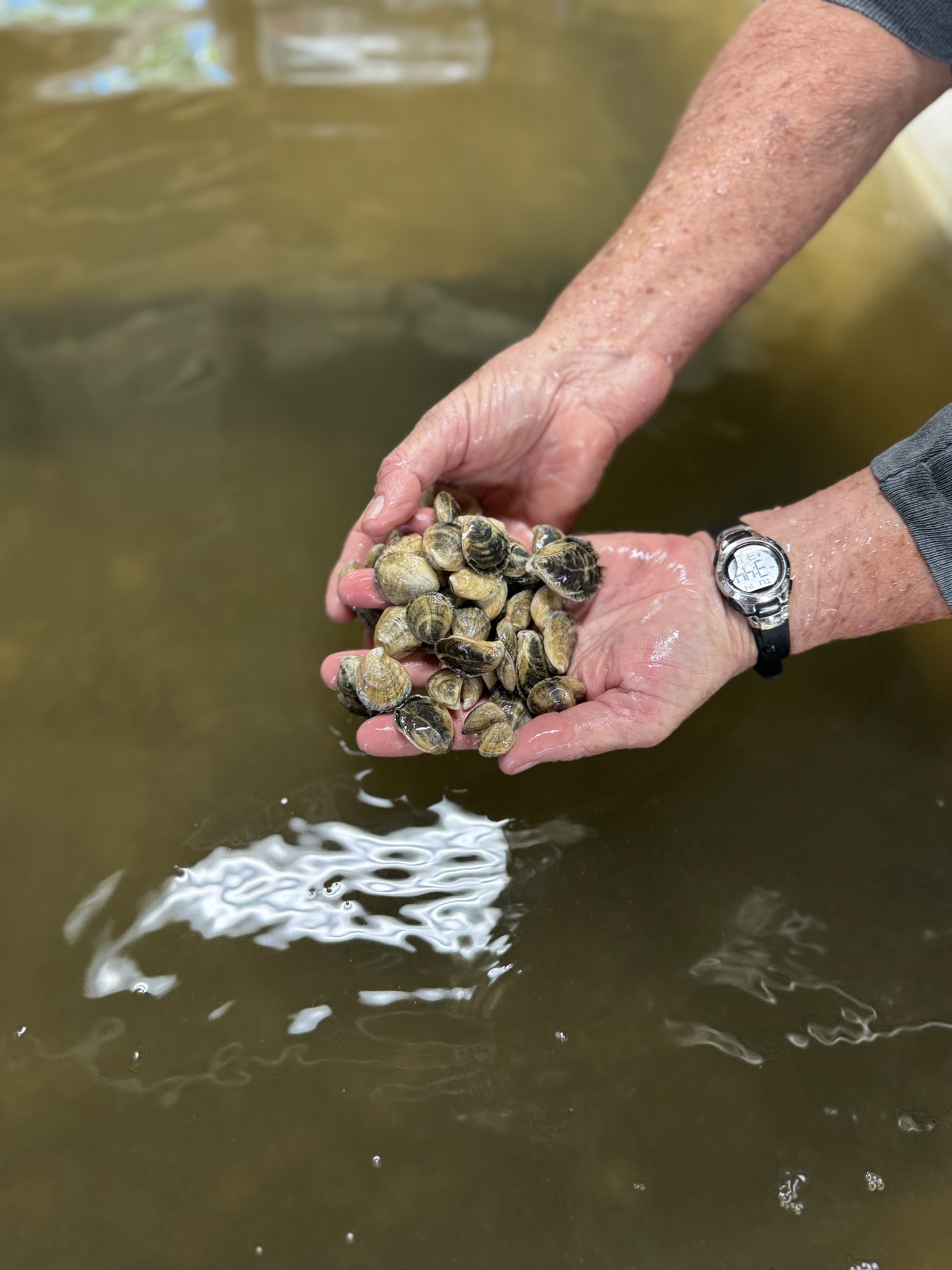
The shellfishers Grist spoke to fully acknowledged the research underpinning Vibrio’s spread. McCormick studied environmental science in college, and Sturmer is running her own climate experiments in a laboratory in the fishing town of Cedar Key, Florida, putting different kinds of clams and oysters through heat stress tests to determine which species are best equipped to weather the decades ahead.
Marine mollusks are uniquely threatened by rising ocean temperatures, ocean acidification, and sea level rise, issues that can lead to thin shells, low crop yields, and mass die-offs on farms. A detailed understanding of climate science, in other words, is good business for those who make their living fishing.
The problem, according to Sturmer, is that shellfishers have been unfairly singled out for a health issue that doesn’t affect most consumers and is more often contracted by ocean bathing rather than raw oyster consumption. While beaches stay open even when Vibrio bacteria are present in the water and lead to infections, a small number of foodborne vibriosis cases can trigger state closures of shellfish harvesting areas and product recalls. The National Centers for Coastal Ocean Science noted that these precautions “erode consumer confidence and likely decrease sales.”
Zoya Teirstein / Grist
The panic that ensues after media reports of Vibrio infections has a similar effect: A 2024 study asked more than 350 shellfish consumers in Rhode Island — a state that relies heavily on its shellfish industry, particularly in summer months when people vacation along the coastline — to bid on entrees of raw oysters and clams. After showing study participants a real newspaper article about a 2015 Vibrio outbreak linked to an oyster farm in Massachusetts, the researchers reported that the news had a “significant negative impact” on participants’ willingness to bid on oysters. It had a depressive effect on clam sales, too.
“You should really be out there beating the drum on botulism or salmonella or E. Coli,” Sturmer told me on a recent visit to her lab in Cedar Key. “Why worry about [vulnificus] when the number of cases are so minimal?” Sturmer is quick to point out that even the term “flesh-eating bacteria” is a misnomer. She’s right, in a sense: The bacteria doesn’t “eat” tissue; it destroys it. But it’s hard to say whether someone who has survived a bout of necrotizing fasciitis, the medical term for what vulnificus does to the flesh, would care to dispute the difference.
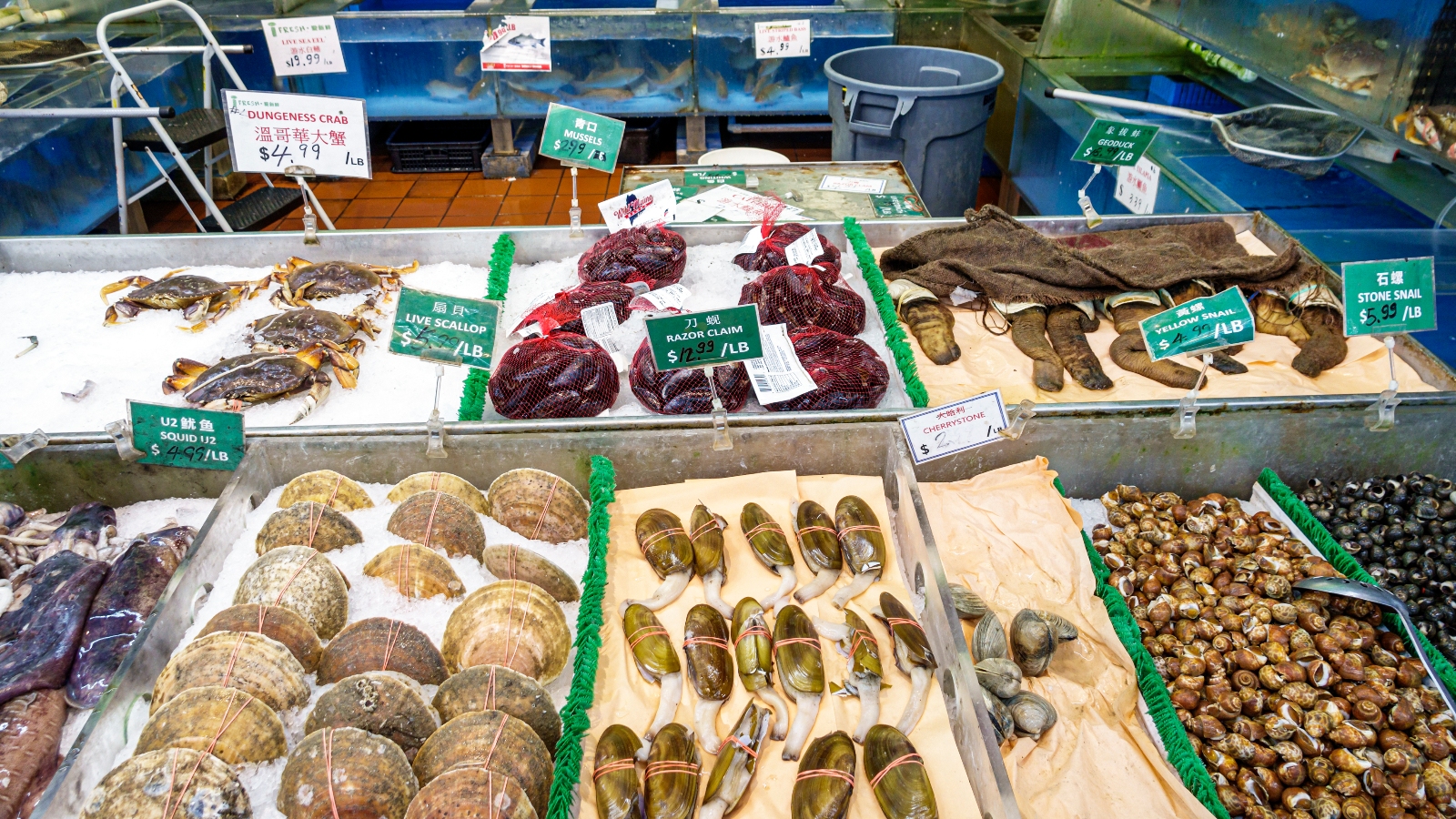
Protecting consumers from being sickened by the bacteria isn’t as simple as trusting people with underlying medical conditions not to eat shellfish. Americans consume 2.5 billion oysters every year, half of which are eaten raw. Vibrio infections, which most often resemble food poisoning, are still underreported and underrecognized, even among individuals who are most at risk of developing a severe infection. Vulnificus infections are also underreported, but much less so than other Vibrio-related infections because they often require a hospital or emergency room visit.
Jeff Greenberg / Education Images / Universal Images Group / Getty Images
“I’ve cared for many people with salmonella infections and water-borne infectious processes, but this is the one that is likely the most serious,” said Norman Beatty, an associate professor at the University of Florida College of Medicine who is also a practicing infectious disease doctor in Gainesville, and has seen limbs and lives lost to vulnificus.
When it comes to preventing Vibrio infections, the work Magers and Kumar are doing could take some of the onus off of individual responsibility. The researchers are identifying which parts of the eastern U.S. coastline will be most risky for overall vibriosis infections, and vulnificus specifically, as waters warm. Alongside a group of microbiologists from the University of Maryland, including Brumfield, the scientists have developed a computer model that can predict how high the vibriosis risk will be in any given coastal county on the Gulf or East coasts a month in advance. The team trained their model by pairing the CDC’s count of Vibrio-related foodborne and waterborne illnesses from 1997 to 2019 with satellite data that measures the conditions that fuel Vibrio growth, such as water temperature and salinity.